Spider-Man: Brand New Day Crosses $2 Billion Milestone Globally
The latest Spider-Man film achieves a box office feat, becoming one of the highest-grossing films within weeks of release.
Christopher Nolan’s film "The Odyssey" opens with a scene where a man stands atop a table in a banquet room, weaving a tale for his audience. This introduction deftly sets the stage for a movie focused on the lasting power of storytelling—the ways narratives might liberate or mislead, bring comfort or unease, and both divide and unite us.
Interestingly, the story recounted by this storyteller, portrayed by musician Travis Scott (who also contributes to the film’s end credits), is not "The Odyssey" itself. Instead, the film places viewers right before the story’s climactic moments. The focus of the tale is a decisive episode from the Trojan War starring Odysseus (Matt Damon) and the legendary Trojan Horse. Despite expectations, Nolan subverts familiar scenes, presenting events like the horse not as upright and toy-like, but partially submerged, emerging from the sand and hauled by soldiers, with Odysseus, Menelaus (Jon Bernthal), and their comrades crammed inside. Days spent within leave some warriors dead before the Trojans even arrive—a detail that Nolan leaves to the imagination in terms of realism.
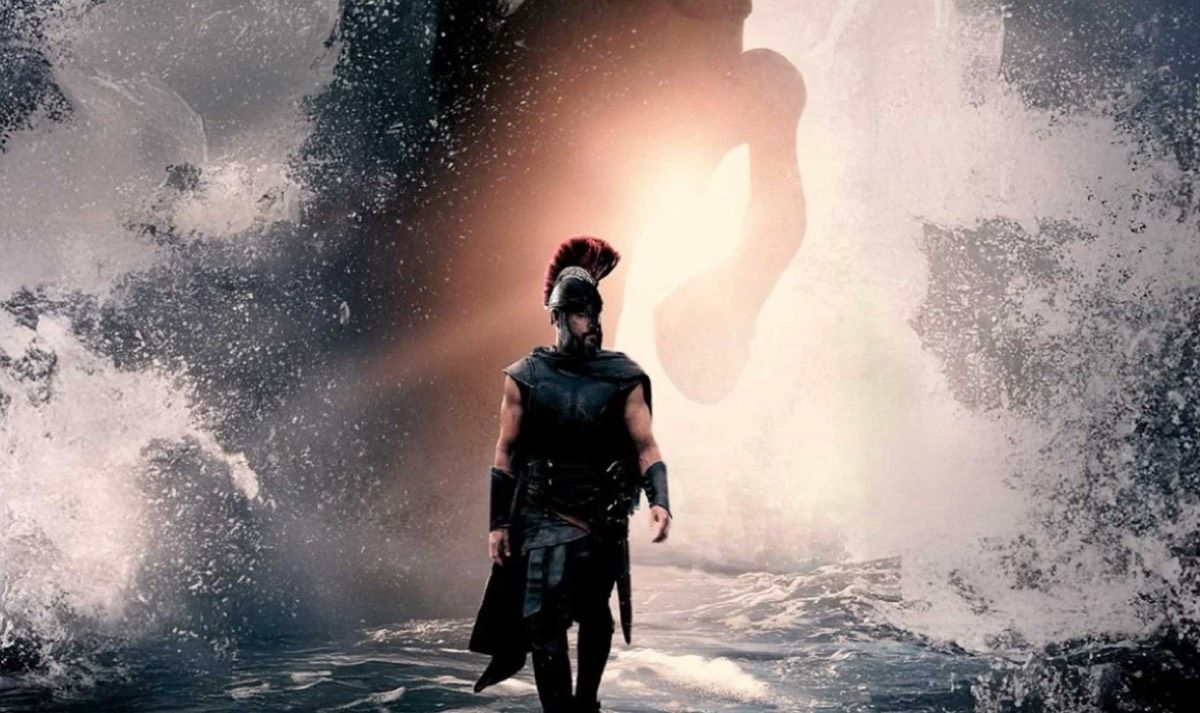
Curiously, the Trojan Horse story does not actually appear in Homer’s "The Odyssey" or "The Iliad"; rather, it comes from later poets like Virgil's "Aeneid." Nolan’s script expertly weaves together elements from these epics and other versions, drawing out a broader tapestry of Odysseus’ exploits to serve a deeper purpose. At its heart, "The Odyssey" still centers around the hero’s journey: Odysseus, king of Ithaca, cherished husband to Penelope (Anne Hathaway), and father to Telemachus (Tom Holland as an adult). As Penelope is beset by opportunistic suitors, Odysseus’ prolonged absence—whether by his own choices, divine intervention, or both—becomes the core mystery.
The interplay of fate and randomness echoes throughout the film, which spans 172 minutes yet feels brisk under the guidance of Nolan and long-time editor Jennifer Lame. The narrative jumps across timelines—past, present, and future—seamlessly revisiting moments whose meaning shifts with each retelling. This reflective approach, refined since "Oppenheimer," reimagines linear time as something mutable, giving weight to every character’s memory and experience. There are scenes where stories nest within stories, mimicking the wandering structure of thought itself.
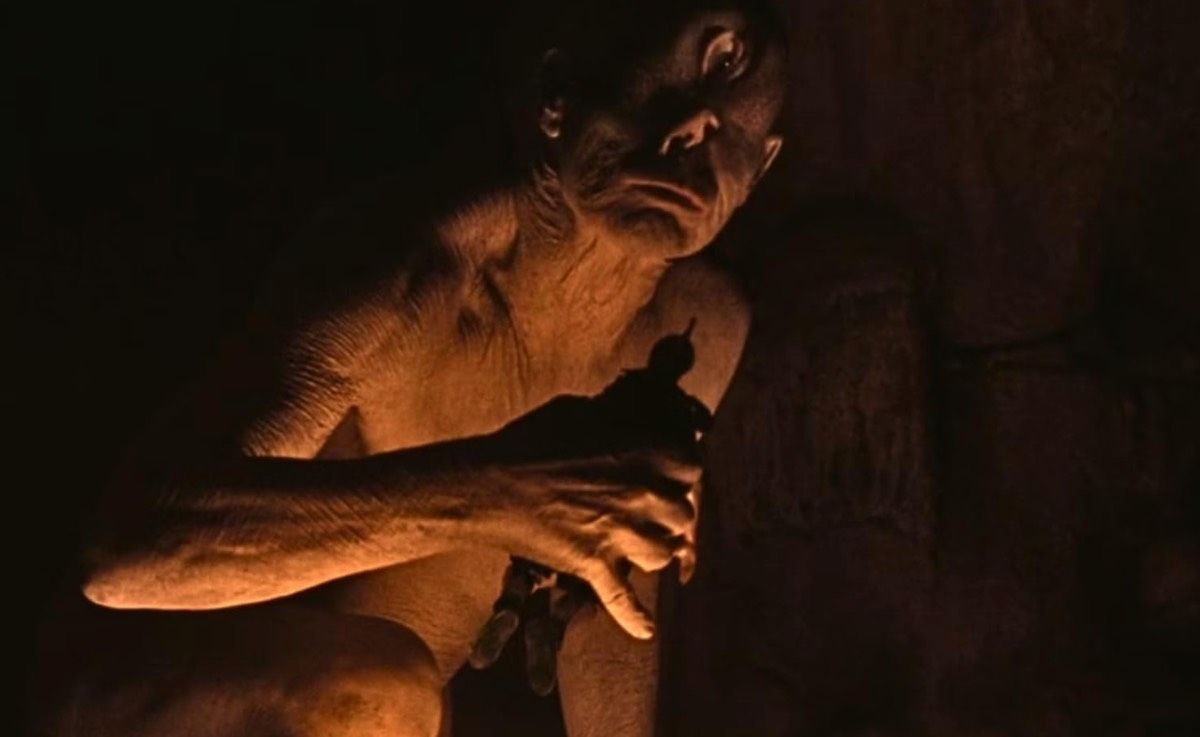
Characters from different corners of Greek myth appear, like Athena (Zendaya), visible only to Odysseus; Lupita Nyong’o, who performs as both Helen (Menelaus’ wife and the war’s catalyst) and her twin Clytemnestra; and Agamemnon (Benny Safdie). Nolan’s reinterpretation draws from modern translations and inventions, giving rise to a kind of "Odysseus Expanded Universe"—albeit without any superhero nods.
The film’s casting choices have sparked conversation, notably Nyong’o’s as Helen, but the myth’s fantastical elements—including sea monsters, Cyclops, Sirens, Calypso (Charlize Theron), and Circe (Samantha Morton)—make a literal interpretation obsolete. Additionally, Elliot Page takes on Sinon, a key role in the Trojan Horse saga; John Leguizamo delivers a notable performance as Eumaeus. Robert Pattinson portrays Antinous, the devious suitor, elevating the stakes among the ensemble cast.
This inclusive casting recalls the freedom seen in Shakespearean adaptations and highlights Nolan’s stance that foundational stories belong to everyone, regardless of background. The film also refreshes the dialogue with contemporary expressions—Telemachus addresses Odysseus as "my dad," warriors lapse into modern language—inviting viewers to connect anew with ancient themes.
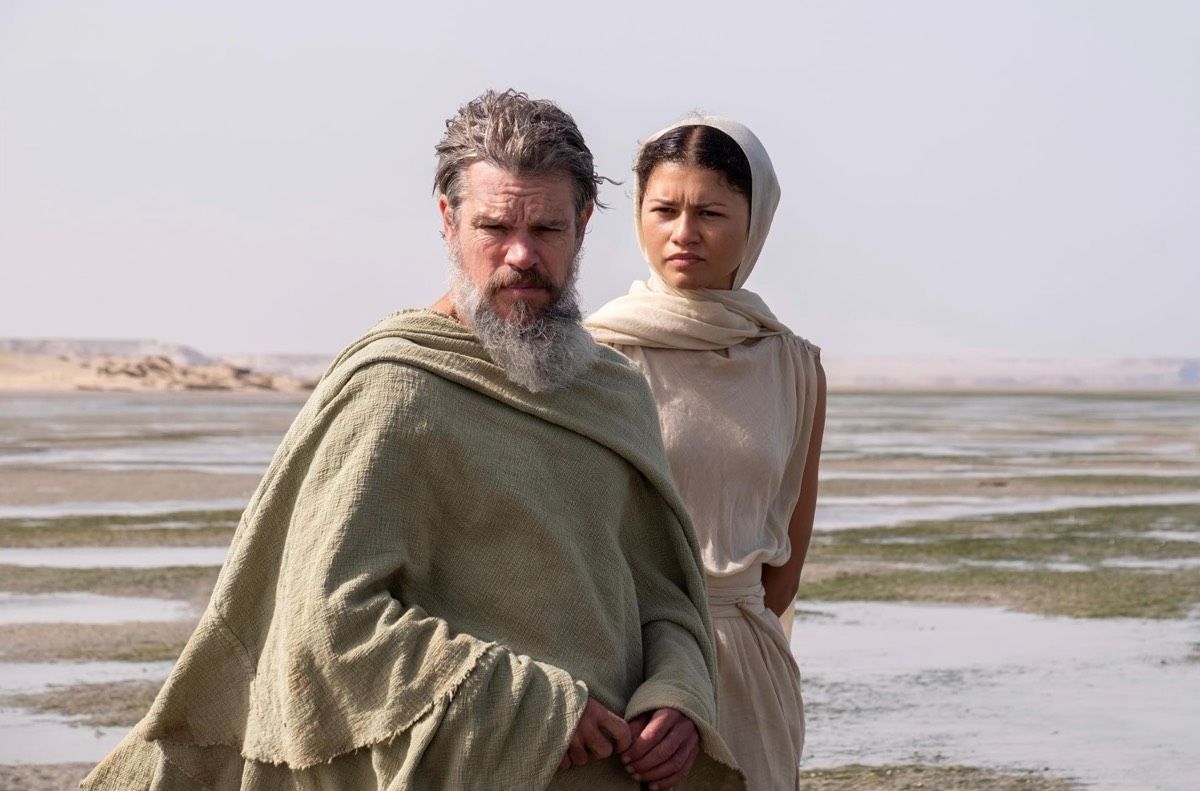
Technically, "The Odyssey" delivers on epic proportions. Nolan’s preference for real, analog filmmaking crafts a visceral world: viewers feel the salt air, the violence of battle, and the weight of the materials on screen. The action is grounded—a massive horse that looks as heavy as legends claim—and battle scenes that carry real impact, reminiscent of raw footage from modern conflict zones.
Production values always serve character and emotion, from Penelope’s private fury at the suitors’ entitlement, to Telemachus’s journey of discovery, and Odysseus’ gradual reckoning with his own flaws. Damon gives the king both the stoic nobility of classic movie icons and the moral ambiguity of a cunning survivor. His code of honor is often compromised, his actions both laudable and questionable. Even the villains are layered—a sympathetic Cyclops stands as a victim.
Nolan does not sanitize the brutality of war: scenes of Troy’s fall are disturbing without being gratuitous, and the aftermath leaves no doubt about the horrors left behind by heroes and conquerors alike. By the film’s conclusion, viewers are compelled to confront the ethical puzzles Odysseus faces, without being handed simple answers. The core message—people are complex—rings particularly true in a rare blockbuster that resists easy answers and challenges us to look deeper.