
Honkai: Star Rail Version 4.5 Brings Astropolis and Summeretto
Explore the new content, characters, and events in the latest update
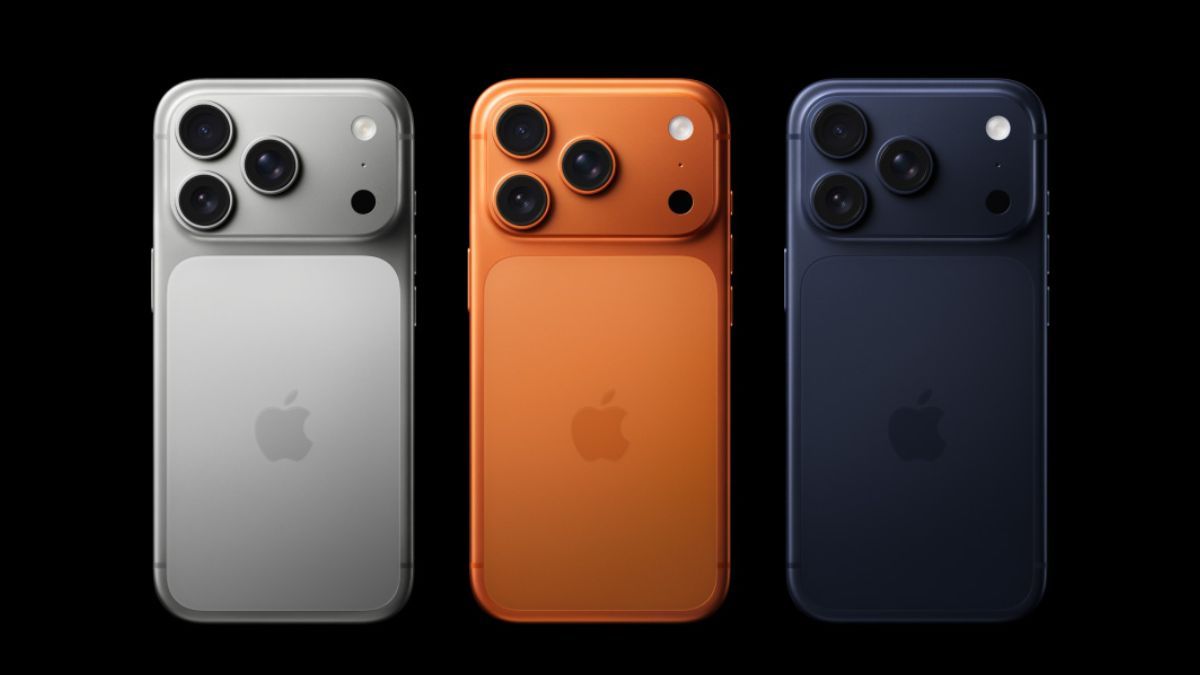
Apple’s upcoming iPhone 18 Pro series is expected to see a notable increase in retail prices, primarily due to a sharp escalation in memory costs, including DRAM and NAND components. Multiple market research firms and teardown analysts, such as TrendForce, TechInsights, and Counterpoint, report that the bill of materials (BOM) for Pro models, especially those with higher storage, has surged significantly this year.
Data indicates that memory components now account for approximately 34% of the iPhone 18 Pro 256GB model’s component cost, compared to about 10% just a year ago. This striking rise is behind estimates that the overall component cost for this model has jumped by around 38%, according to TrendForce’s August 2026 analysis. Such an increase largely stems from a massive rise in DRAM and NAND prices.
In particular, the 12GB DRAM package cost alone is reported to have jumped from roughly $39 in the iPhone 17 Pro to as high as $145 in the iPhone 18 Pro, representing an increase of nearly 272%. NAND storage costs have similarly risen, with the 256GB NAND price increasing from about $13 to roughly $51 for the newer model. These surges in memory prices are attributed largely to strong demand from AI and server markets and ongoing supply constraints.
Estimates of the total BOM for iPhone 18 Pro range between a 20% to nearly 40% increase, depending on the source and model configuration. For instance, TechInsights and Counterpoint suggest the BOM for the iPhone 18 Pro could rise from around $582 for the earlier generation to approximately $726. This substantial uplift might be passed on to consumers as retail price increases or absorbed by Apple through margin compression.
Various scenarios predict retail price hikes for the iPhone 18 Pro lineup, ranging from $100 up to $300, based on model and storage size. The top-end iPhone 18 Pro Max with 12GB RAM and 1TB storage could see BOM increases of close to $300, while 256GB and 512GB models might face increases between $200 and $250. Some forecasts suggest the starting price of the iPhone 18 Pro might reach between $1,299 and $1,399 if Apple chooses to pass through these cost increases directly.
The root causes lie in volatile market demand for semiconductors, particularly fueled by AI server infrastructure expanding at a high rate, which puts pressure on DRAM and NAND supplies. Additionally, wafer costs at foundries such as TSMC have increased, along with a higher margin environment across the supply chain. These factors combine to elevate component prices for Apple’s flagship smartphones.
To mitigate the volatility, Apple reportedly switched to quarterly negotiations for memory pricing rather than the previous annual cadence, aiming to quickly address cost fluctuations. This shift could allow Apple to absorb some cost spikes and delay immediate price hikes for consumers.
Analysts suggest Apple faces a strategic choice: either absorb the higher memory prices and endure margin compression in the near term or pass those costs on to customers through higher retail prices. Another possibility is adjusting the iPhone 18 lineup’s configurations or memory options to manage costs.
With the iPhone 18 expected to launch soon, observers will closely watch Apple’s earnings communication, wafer pricing trends from TSMC, and ongoing BOM teardown reports from firms like TechInsights and TrendForce for clues on pricing and margin decisions.
For those interested in Apple’s broader product moves, recent reports on the foldable iPhone offer useful context about the company’s evolving strategies. Additionally, insights into the iPhone 18 Pro launch expectations can provide timelines on when pricing decisions might become clearer.
Understanding the supply-chain factors like TSMC wafer pricing and AI demand sheds light on why smartphone prices are trending upwards, particularly for premium models. For consumers considering which iPhone to buy, guides such as the best iPhones for students and creators might help in balancing performance and cost.


