
GTA 6 Leaks: Every Gameplay Video That Has Surfaced So Far (Updated August 25, 2026)
An in-depth review of the major GTA 6 leaks revealing gameplay insights before the Netflix premiere
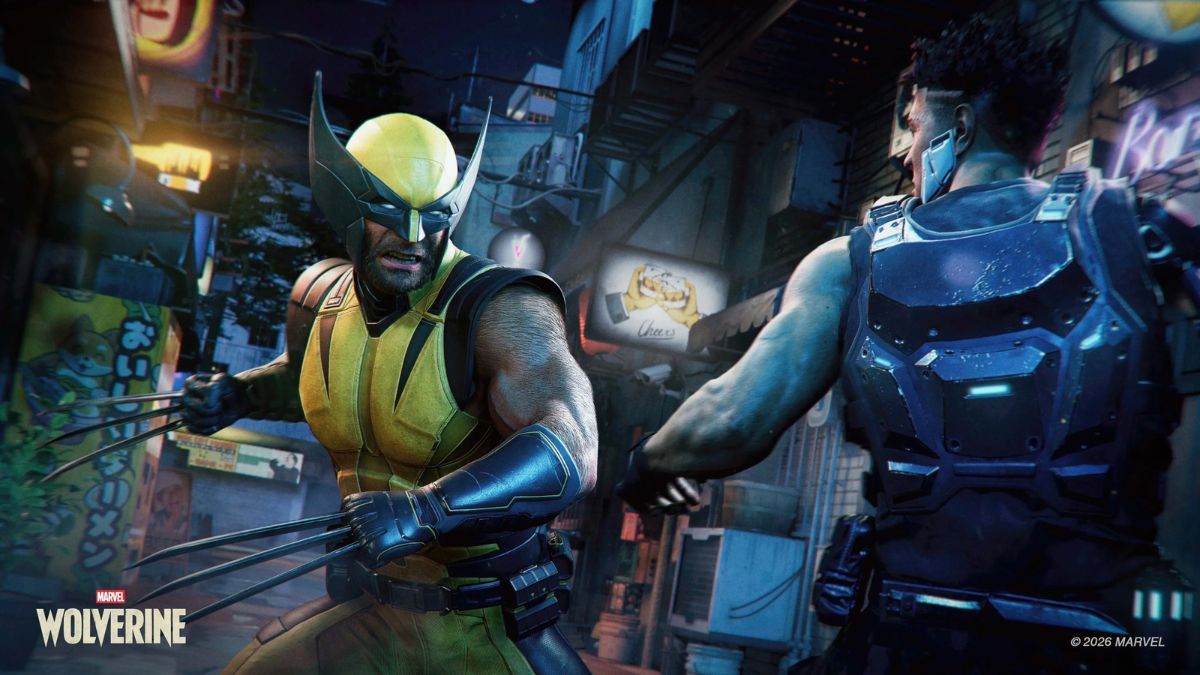
The unveiling of Marvel’s Wolverine from Insomniac Games has sparked a heated debate among gaming fans. While the developer holds a reputation for producing quality titles, many are openly questioning whether the studio’s latest effort demonstrates enough innovation or relies too heavily on tried-and-tested formulas. Here’s a closer look at why the conversation around Wolverine’s gameplay has become so intense.
Many early previews of Wolverine point to its combat system as a focal point of concern. Observers have noted that Wolverine’s battles incorporate elements like parries, use of claws, rage meters, and finishing moves, all of which feel well-executed but closely resemble systems seen in Insomniac’s previous Spider-Man titles. The sense of repetition has led some players to wonder whether Wolverine offers anything distinct compared to earlier games from the same studio.
Supporters of Insomniac often reference the success of past Spider-Man games when defending Wolverine’s approach. However, critics argue that past achievement should not serve as a blanket justification for a perceived lack of creativity in new projects. As one recurring sentiment in the community goes: new games deserve to be evaluated on their own merits.
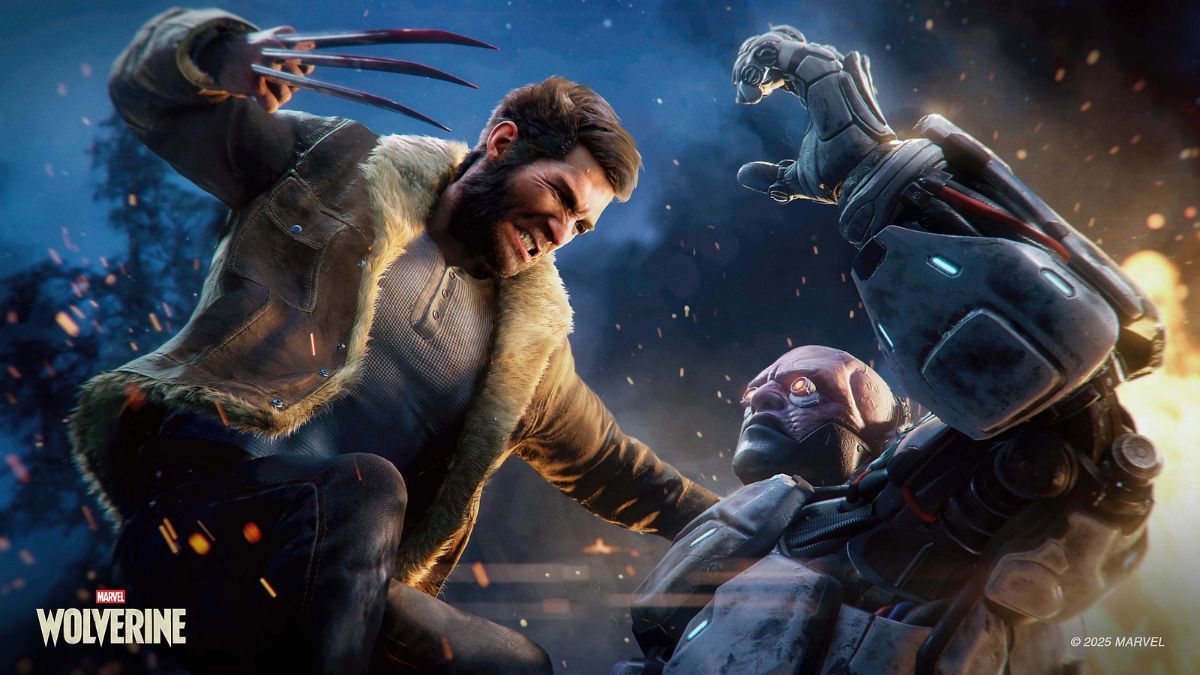
A major flashpoint occurred when footage of a boss encounter featuring the Proto Sentinel surfaced online. Viewers compared the fight's structure to classic encounters from PlayStation 2-era games, even recalling patterns seen in titles such as Contra 3 and Ben 10: Protector of Earth. The fight’s approach, relying on familiar attack patterns that must be quickly learned and repeated, prompted mixed reactions. Some compared the encounter to similar battles in franchises like God of War and World of Warcraft, suggesting these conventions are simply part of the genre. Others felt that recycling such mechanics doesn’t automatically make the experience exciting or fresh.
Beneath the criticisms of specific gameplay elements lies a broader concern: has Insomniac settled into a formulaic design approach? From Spider-Man to Wolverine, fans have noticed a consistent reliance on linear progression, cinematic sequences, manageable combat, and scripted set pieces. With Wolverine removing gadgets and movement options that spiced up Spider-Man’s gameplay, the risk is a blander core experience with fewer surprises for the player.
Development timelines add further context: Wolverine was announced during the Sony PlayStation Showcase 2021 and is set for release in September 2026, which gives the team about five years to produce the game. Insomniac highlights its ability to develop efficiently thanks to shared technology and streamlined workflows, but some fans hope this efficiency will create better opportunities for experimenting with new ideas.
The reception has not been universally negative. Opinions among the player base are divided. While some gamers voice strong criticisms—occasionally straying into personal attacks or dragging unrelated issues into the mix—others prefer to focus on constructive concerns about the gameplay. Even Insomniac’s marketing director has addressed the feedback, acknowledging that fan reactions encompass valid perspectives on areas like combat depth and interaction variety.
The debate is not entirely one-sided. For every critic, there are players who welcome Wolverine’s straightforward action and see value in returning to a more linear, narrative-driven experience. As observed by one Spanish-speaking gamer, "Marvel Wolverine es más de lo mismo con más gráfico," reflecting the view that the game maintains familiar mechanics but updates them with better visuals.
Despite the polarized opinions, excitement for Wolverine endures. Some fans remain most interested in the game’s story elements—including appearances by characters like Logan’s younger self, Team X, Mystique, Sabretooth, and Nathaniel Essex. Slower-paced sections set in Lowtown have been cited as possible areas where Wolverine could offer something distinctive, giving the campaign a more character-driven focus. The confirmation of a Game+ mode also adds appeal for players who appreciate replay value.
At the heart of the debate is the question of how much a studio’s reputation should shield it from critical scrutiny. As anticipation builds for Wolverine’s release, many fans are reserving final judgment, hoping that the game will ultimately transcend its perceived familiarities with deeper, more surprising gameplay.
What are the main concerns gamers have about Wolverine’s gameplay?
The biggest issues raised involve similarities to previous Insomniac titles, especially Spider-Man, and a sense of repetitive combat with fewer innovation or surprises.
Why did the Proto Sentinel boss fight receive criticism?
Many players compared it to older video game encounters featuring repetitive, predictable attack patterns, making it feel outdated to some fans.
Is Insomniac addressing feedback from the community?
Yes, the studio’s marketing director has openly responded to player concerns and stated that both positive and negative feedback are being considered.
Are there aspects of Wolverine that fans are excited about?
Apart from the gameplay debates, many are interested in the story, characters, and the return of linear, narrative-driven action.
When is Marvel’s Wolverine scheduled to be released?
Insomniac’s Marvel’s Wolverine is slated for release in September 2026.